Although I was trained as a piano performer, teaching felt like a natural continuation of my musical life. It gives me the opportunity to pass knowledge, discipline, and love for music to the next generation. One of the most rewarding parts of teaching is watching a young child begin with simple Do-Re-Mi and, after years of steady work, grow into a musician who can play Beethoven sonatas, Chopin ballades, or Rachmaninoff piano concertos. Seeing that growth is deeply meaningful and rewarding to me.
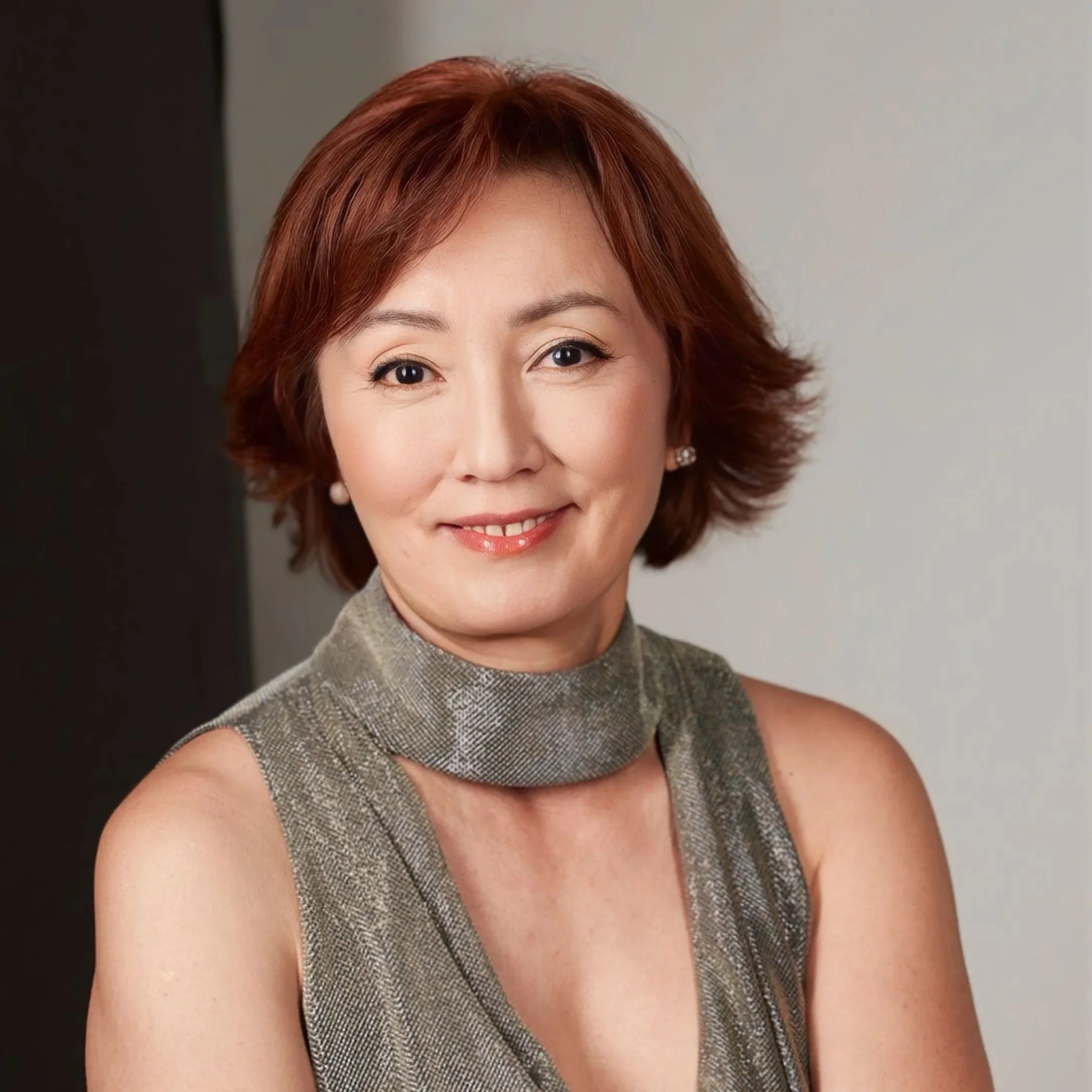
From performing on international stages to mentoring generations of young musicians, Teacher Klara has dedicated her life to music. We sat down with her to learn more about her journey, inspirations, and teaching philosophy.
1. How old were you when you started taking music lessons and what was your first instrument?
I started taking music lessons at the age of seven at the National Specialist Music School in Bishkek (formerly known as Frunze) in Kyrgyzstan. My parents noticed my love for music because I was always singing, dancing, and watching ballet or musical programs on television. They enrolled me in a specialized music school, where I was assigned to the piano. I think it is important to observe a child’s talents and interests. Young children are very creative and spontaneous in expressing their thoughts and feelings and clear about what they like and express freely what they want and they can be easily inspired with the right approach. This is something I enjoy about teaching young students and try to stay tuned in to each child’s interests and talents during my teaching.
Although I later explored other instruments, especially violin and cello, piano became my main instrument. I was fortunate to have a very dedicated teacher who was passionate about teaching and encouraged daily practice, musical curiosity, and challenging repertoire. Looking back, I am very grateful to my parents for recognizing my interest in music and giving me that opportunity.
2. Who/what inspired you to become a musician and music teacher?
My greatest inspiration came from my parents. My father was a mathematician, but he also played the komuz, a traditional Kyrgyz string instrument, and even built instruments himself. Watching him create music and immerse himself in the process of building instruments by hand was fascinating to me.
My mother loved listening to songs and poetry, and she also loved to sing. She was a very creative person who made beautiful handmade things while also working as a schoolteacher and raising seven children. From both of my parents, I learned creativity, hard and devoted work, strong values, and the importance of doing something meaningful that you love.
My music school environment also inspired me. I was surrounded by music, teachers, concerts, and visiting artists. My piano teacher was dedicated, hardworking, and well read, and she encouraged me to grow not only as a pianist but also as a curious person. All of these experiences helped shape me as both a musician and a teacher.
3. Who or what have been the most important influences on your musical life and career?
The most important influences on my musical life and teaching career go back to my childhood and my parents. They were not only nurturing parents, but also devoted teachers. In the small town where we lived, they were deeply respected as longtime educators, and I saw how much their students and the community appreciated them.
Although I was trained as a piano performer, teaching felt like a natural continuation of my musical life. It gives me the opportunity to pass knowledge, discipline, and love for music to the next generation. One of the most rewarding parts of teaching is watching a young child begin with simple Do-Re-Mi and, after years of steady work, grow into a musician who can play Beethoven sonatas, Chopin ballades, or Rachmaninoff piano concertos. Seeing that growth is deeply meaningful and rewarding to me.
I cannot say that only one person or artist influenced my musical career. Many people and experiences shaped me: my teachers in Kyrgyzstan and later at the Moscow Conservatory, the performances I attended, the books I read, the films and art I discovered, the fellow students I observed, the music I played, and the master classes and lessons by piano professors I attended at the Moscow Conservatory. All of these experiences inspired me and kept me growing as a musician.
4. Tell us about your musical and teaching background.
My musical background began in Kyrgyzstan, where I studied at a specialist music school. As a child, I was fortunate to receive strong musical training, win several national competitions, and begin performing from a young age as a soloist and with orchestras. Those early experiences taught me discipline, responsibility, mental strength to overcome stage fright and the joy of sharing music with others.
My studies later took me to the Moscow Conservatory, where I was influenced by the great Russian piano tradition, including the legacy of Heinrich Neuhaus. I also continued my studies in Basel with Jean-Jacques Dünki, a student of Leon Fleisher. Over the years, I have performed in Europe and the United States, both as a soloist and chamber musician, and I have often performed together with my husband, pianist and conductor Temirzhan Yerzhanov.
Teaching has become a very important part of my musical life. I have worked with students of many ages and levels, from young beginners to advanced students preparing serious repertoire, exams, competitions, auditions, and college study. I see teaching not only as passing on knowledge, but also as helping each student develop confidence, curiosity, discipline, and a lasting love for music.
5. What are some memorable moments or experiences from your teaching career?
There have been many memorable moments in my teaching career. One experience I especially cherish is working with transfer students, often teenagers, who come to my class on the verge of giving up piano and having lost their motivation. Seeing them gradually regain confidence, rediscover their interest in music, become highly motivated again, and succeed in exams and competitions is deeply meaningful to me.
Some memorable moments are connected to major accomplishments, and others are very small but just as meaningful. One of the most rewarding experiences is teaching a child who may not seem naturally interested at first, and then, after searching for the right approach, seeing that child suddenly understand how musical notation connects to sound. When a student begins to enjoy music because something finally “clicks,” that is unforgettable.
I also remember many personal moments: a student becoming tearful after our last lesson before leaving for college, receiving a handmade thank-you card from a very young student, or hearing a former beginner perform a challenging work such as Beethoven’s 32 Variations or Rachmaninoff’s Piano Concerto No. 2 beautifully. It was especially meaningful when that same student was accepted to a major U.S. college to study piano after passing two live auditions.
It is also memorable to see students grow into young musicians who develop their own love and passion for classical music. I am always delighted when a student becomes self-motivated and surprises me by discussing different interpretations of Scriabin’s sonatas by great pianists, including Vladimir Sofronitsky. It is equally meaningful when students choose piano as a serious field of study, succeed in auditions, or receive recognition from respected musicians.
For me, memorable moments are not only about big achievements. The most meaningful moments are often when a young student develops self-motivation, self-discipline, independence, and a desire to keep learning while studying with me. Sometimes even a small accomplishment in a beginner piece can be just as meaningful as a major performance.
6. How do you stay inspired and motivated in your musical journey?
I do not think I do anything deliberately to stay motivated in my musical journey. Music has always been part of my life, but like everyone else, I also need inspiration, especially during challenging times. I believe it is important to keep good thoughts, good will, and an open heart. From good will comes creativity, and from creativity comes the energy to keep learning, to pass knowledge to the next generation, and to continue making music. I find inspiration in many different forms. Sometimes I go to concerts to hear great artists. My husband and I once flew to Chicago just to hear Riccardo Muti conduct, and that was a deeply inspiring experience. Upcoming performances also motivate me to practice, even late at night after long hours of teaching.
Most of all, music itself is my greatest motivation. For example, I had always wanted to perform Beethoven’s Piano Concerto No. 5, and in December 2024 I was finally able to realize that dream in my home country, Kyrgyzstan. Moments like that remind me why music continues to be such a powerful and meaningful part of my life.
7. Do you have important ideas and concepts to impart to aspiring musicians?
I believe finding a great teacher and role model is one of the most important things for aspiring musicians. It is important to build good communication and a trusting professional relationship with that teacher. Staying curious, communicating openly, asking questions, and learning as much as possible, not only from one’s teacher, but also from everything the art world has to offer, is essential for growth and enrichment.
It is also very important to develop strong practice habits, discipline, curiosity, and creative thinking during practice. A good teacher and supportive parents can give a young musician a strong beginning, but after that, much depends on the student’s own openness, willingness to learn, and ability to persevere through challenges.
Most importantly, never stop learning. Music is a lifelong journey.
8. What do you love most about teaching?
What I love most about teaching is that every student is different. Each student encourages me to search for a new approach, to listen carefully, and to find the best way to help them understand and grow.
Students challenge me in a good way. They keep me creative, curious, and constantly learning as a teacher. It is very rewarding to see each student discover their own abilities and develop joy, confidence, thoughtfulness, sincerity, and kindness through music.
9. Do you have a practice tip you want to share with our students?
For young students, building a strong foundation is especially important. This includes developing fluent music-reading skills in a playful and child-friendly way, often through singing, listening, and creative activities. Once a child feels confident reading music, it opens the door to a rich and interesting piano repertoire.
Regular practice is important, but it should be encouraged positively, like a normal part of daily homework. Parents play a very important role through their patience, support, communication, and cooperation with the teacher.
For more advanced students, my advice is to practice thoughtfully and with a clear goal. Do not simply repeat a piece many times. Practice slowly, listen carefully, and know what you are trying to improve each time you play. As great musicians often emphasize, good practice is not only about the amount of time you spend, but about practicing slowly, carefully, and with full attention.
10. What do you enjoy doing when you’re not teaching, practicing, or performing?
When I am not teaching, practicing, or performing, I enjoy spending time with my family, traveling, tending to my small garden, visiting museums and concerts, and discovering different cultures and history.
I also enjoy cooking and see it as a creative activity. Sometimes I challenge myself to prepare dishes from world cuisines I have never cooked before.
I find inspiration in many places, not only in music, but also in art, nature, friends, people, arthouse films, and meaningful conversations. Most importantly, I always want to keep learning, stay curious, and remain open to new things.